Introduction
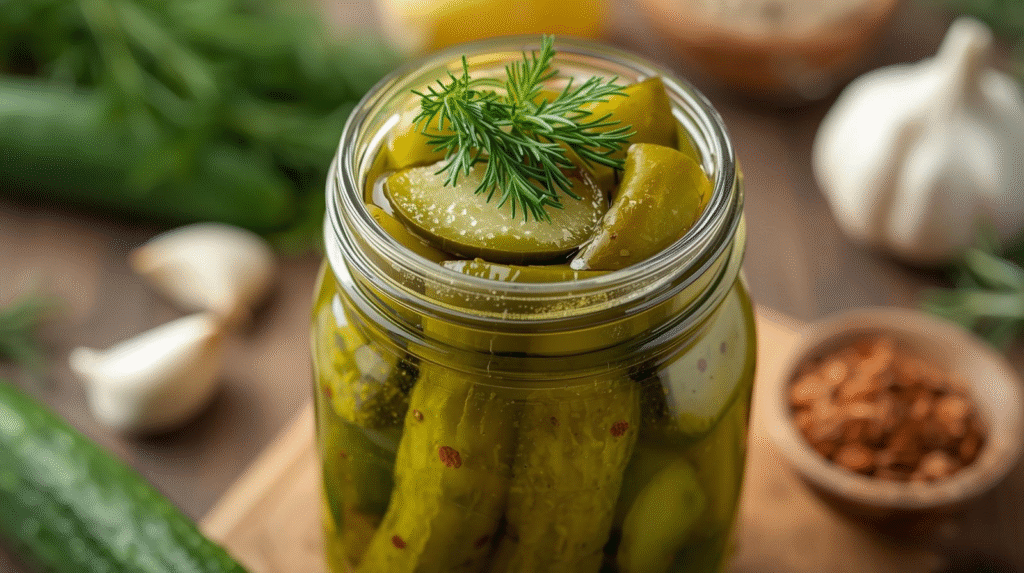
I still remember the first time I made homemade dill pickles. It was a hot afternoon, and my fridge felt boring—just plain water, leftover food, nothing exciting. I had a bag of fresh cucumbers sitting on the counter and a bunch of dill that smelled so good I didn’t want it to go to waste. That’s when I decided to try making my own pickles. No fancy tools, no long cooking, just a simple dill pickle recipe made at home.
When I took my first bite a day later, I was honestly shocked. The crunch was loud, the flavor was bright, and it tasted way better than store-bought pickles. Since that day, I’ve made this recipe more times than I can count. It’s become my go-to snack, burger topping, and side dish.
If you love pickles—or even if you think you don’t—this recipe might change your mind. I’ll walk you through everything step by step, just like I would if you were standing in my kitchen with me. This is an easy homemade dill pickle recipe, simple enough for beginners and good enough to keep you coming back again and again.
What Makes This Dill Pickle Recipe So Special
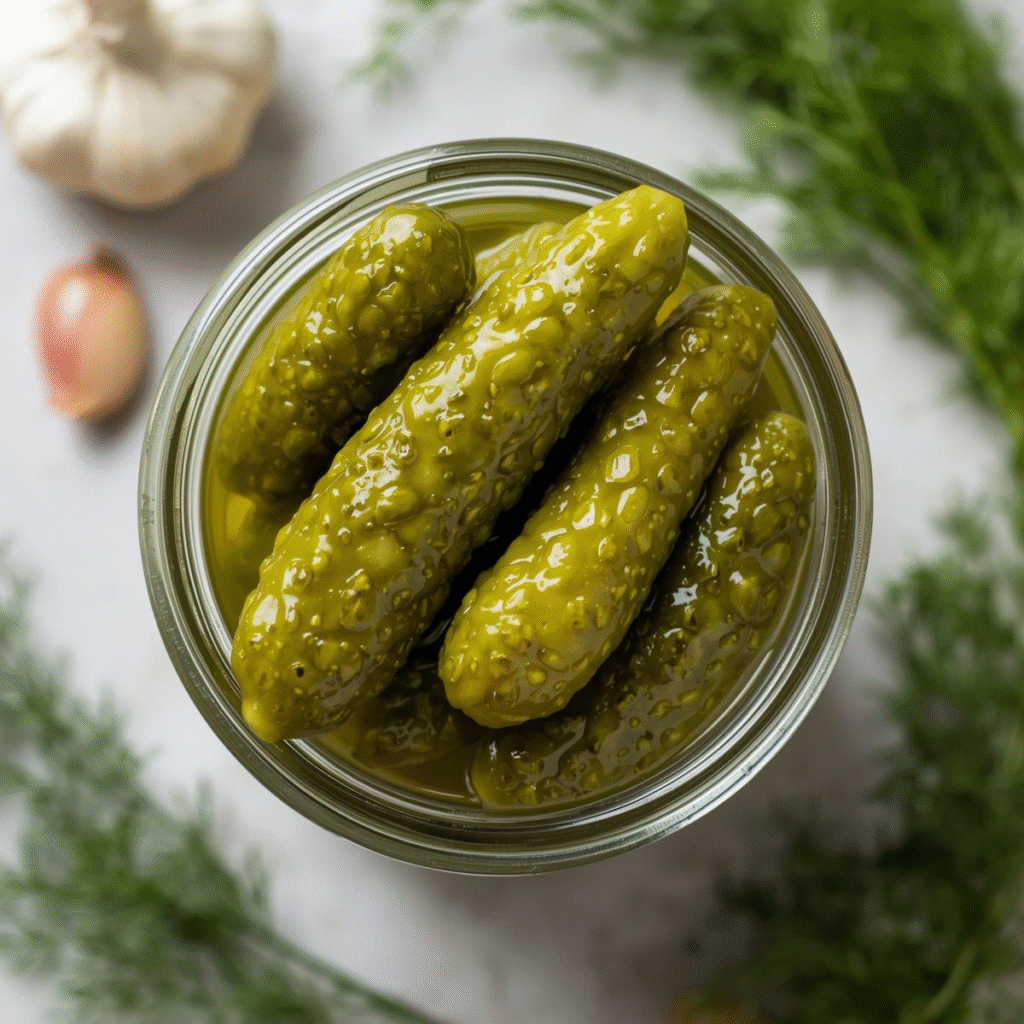
This isn’t just any pickle recipe. It’s a quick dill pickle recipe that focuses on crunch, balance, and real flavor. The secret is using fresh cucumbers, the right salt, and letting time do just enough work—no canning pressure, no stress.
Homemade dill pickles let you control:
- Salt level
- Garlic strength
- Sourness
- Spice
Once you make them once, you’ll never look at store-bought pickles the same way again.
Ingredients for Homemade Dill Pickles
Main Ingredients
Here’s what you’ll need for about 2 quart jars of dill pickles:
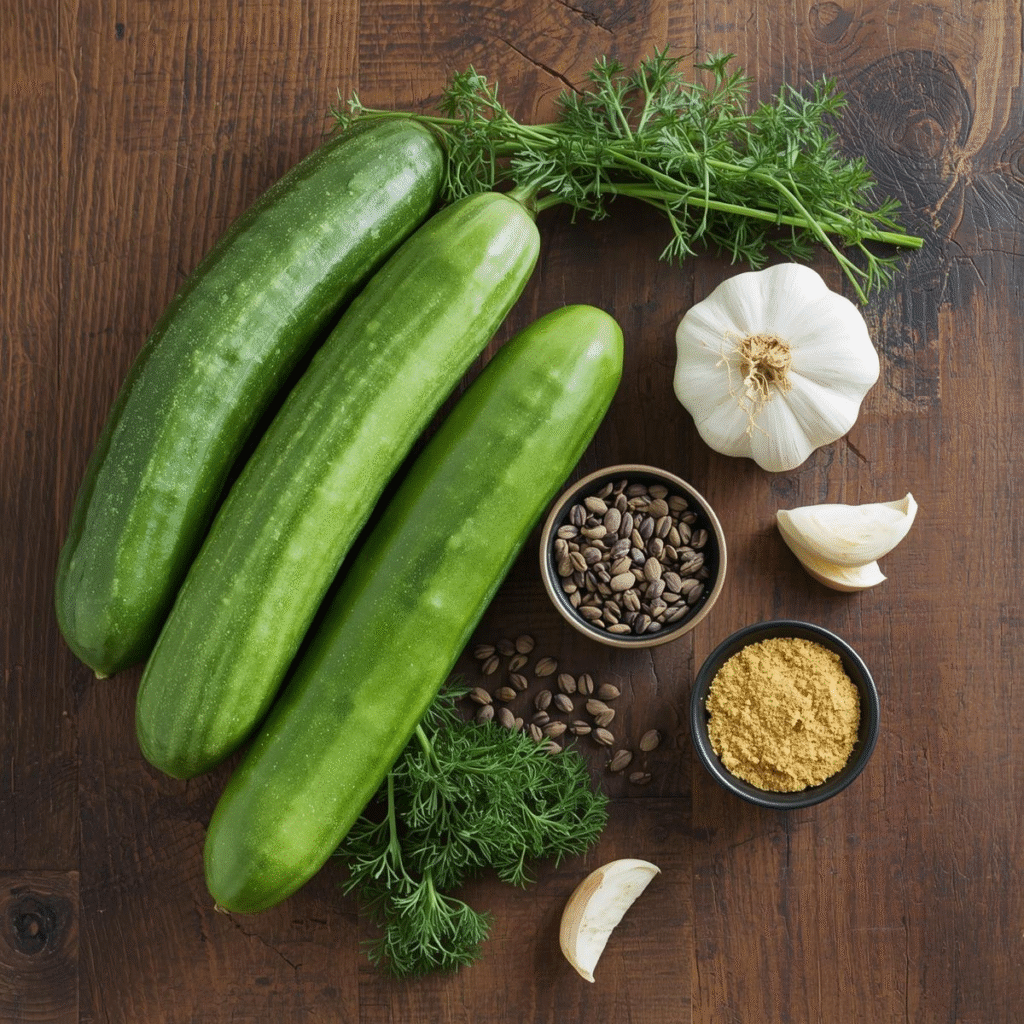
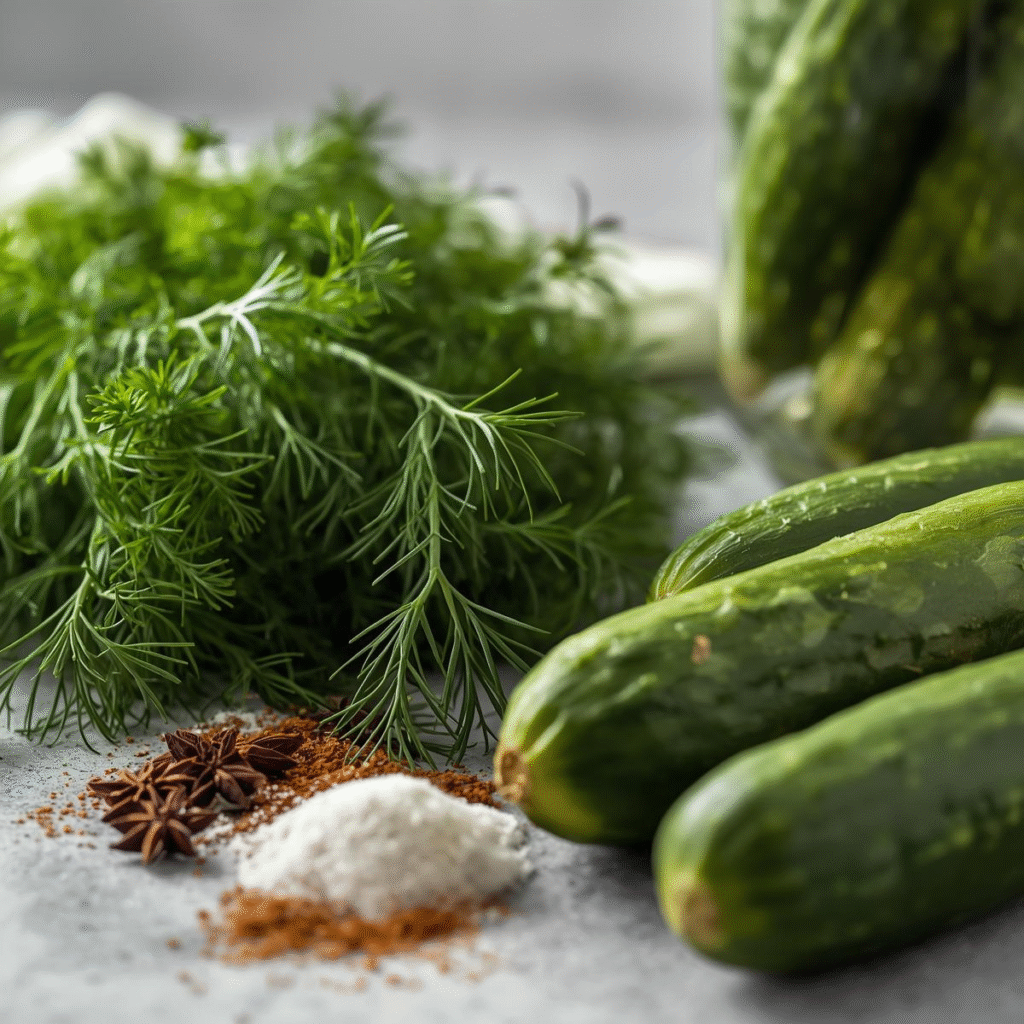
- 2 pounds fresh cucumbers (Kirby or Persian cucumbers work best)
- 4 cups cold water
- 2 cups white vinegar (5% acidity)
- 3 tablespoons kosher salt (not table salt)
- 6 cloves garlic, lightly crushed
- 4 fresh dill sprigs (or 4 tablespoons dill seeds)
- 1 teaspoon black peppercorns
- 1 teaspoon mustard seeds
- 1/2 teaspoon red pepper flakes (optional)
Optional Crunch Boosters (Highly Recommended)
- 2 grape leaves or cherry leaves (natural crunch booster)
- 1/2 teaspoon calcium chloride (pickle crisp)
Ingredient Substitutions
- Vinegar: You can use apple cider vinegar for a softer, slightly sweet flavor.
- Salt: Use sea salt if you don’t have kosher salt. Avoid iodized salt.
- Garlic: Use less if you prefer mild pickles.
- Low-sodium option: Reduce salt by 1 tablespoon, but note crunch may change.
- Vegan & gluten-free: This recipe is naturally vegan and gluten-free.
Best Cucumbers for Dill Pickles
Not all cucumbers are good for pickling. This is important.
The best choices:
- Kirby cucumbers
- Persian cucumbers
- Pickling cucumbers
Avoid:
- Waxed cucumbers
- Large salad cucumbers (they get soft)
Always choose cucumbers that are:
- Firm
- Dark green
- No soft spots
Fresh cucumbers = crunchy pickles. That’s non-negotiable.
Step-by-Step Dill Pickle Recipe Instructions
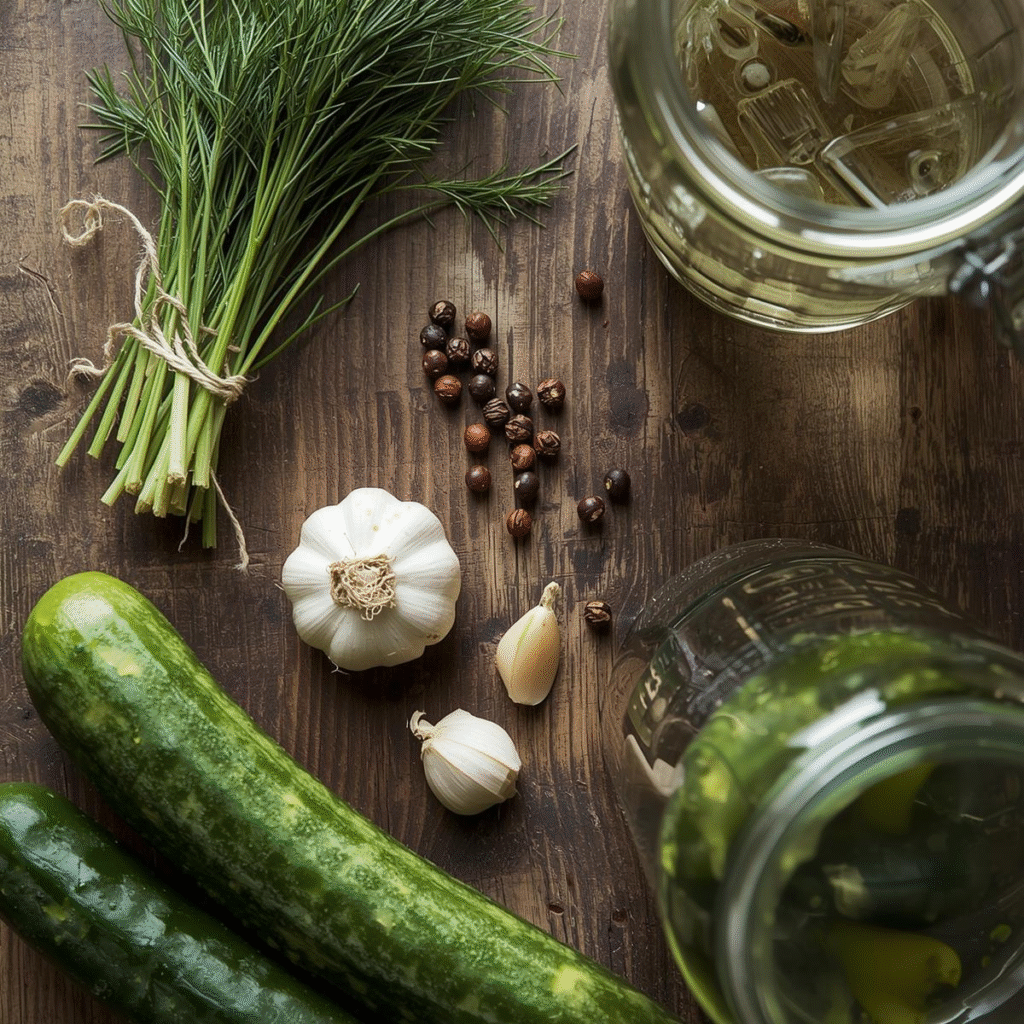
Step 1: Wash and Prep the Cucumbers
Wash cucumbers under cold water. Scrub gently to remove dirt. Cut off 1/8 inch from the blossom end (this end causes softness).
You can:
- Leave cucumbers whole
- Slice into spears
- Cut into chips
Tip: Spears stay crunchier than thin slices.
Step 2: Make the Brine
In a saucepan, add:
- 4 cups water
- 2 cups vinegar
- 3 tablespoons kosher salt
Heat on medium until salt dissolves. Do not boil. Let it cool slightly.
Pro secret: Warm brine absorbs flavor better, but hot brine can soften cucumbers—lukewarm is perfect.
Step 3: Pack the Jars
In clean jars, layer:
- Garlic
- Dill
- Spices
- Cucumbers
Pack cucumbers tightly but don’t crush them.
Add grape leaves or pickle crisp now if using.
Step 4: Pour the Brine
Slowly pour brine over cucumbers until fully submerged.
Leave about 1/2 inch space at the top.
Tap jars gently to release air bubbles.
Step 5: Seal and Chill
Close lids tightly. Let jars sit at room temperature for 1 hour, then place in the fridge.
You’ll get:
- Light pickles in 24 hours
- Full flavor in 3–5 days
- Best crunch within 2 weeks
Common Mistakes to Avoid
- Using table salt (causes cloudy brine)
- Skipping the blossom-end trim
- Using old cucumbers
- Boiling the brine too long
- Not submerging cucumbers fully
Avoid these, and your pickles will stay crisp and tasty.
Pro Tips for Extra Crunchy Dill Pickles
- Always start with cold cucumbers
- Add grape or cherry leaves
- Use calcium chloride sparingly
- Store in the coldest part of your fridge
- Don’t shake jars after day one
Crunch is about respect—treat your cucumbers right.
Flavor Variations You’ll Love
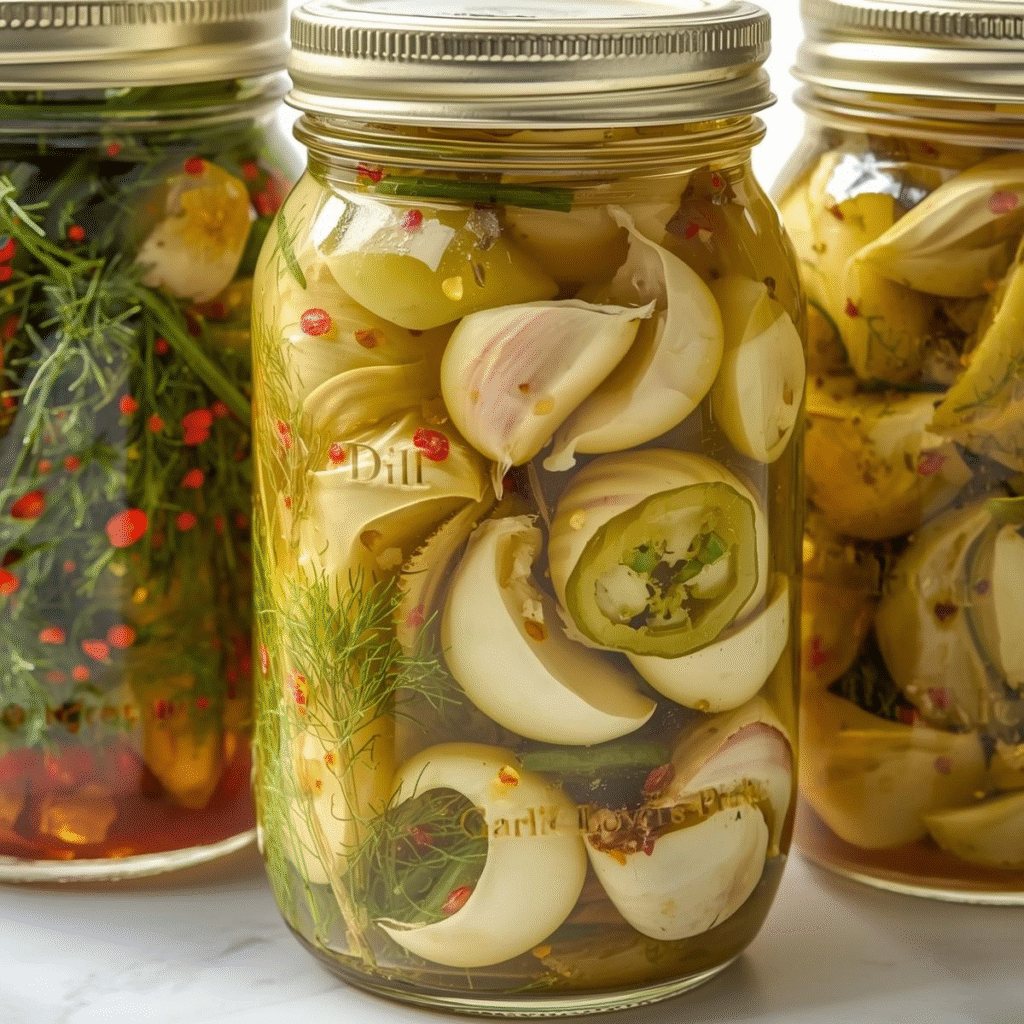
Spicy Dill Pickles
Add:
- Extra red pepper flakes
- 1 sliced jalapeño
Garlic Lover’s Pickles
Add:
- 2 extra garlic cloves per jar
Kid-Friendly Mild Pickles
- Skip red pepper flakes
- Reduce garlic slightly
Sweet & Sour Dill Pickles
- Add 1 tablespoon sugar or honey to brine
Holiday Pickles
- Add coriander seeds and a bay leaf
Serving Suggestions
These homemade dill pickles are more than just a snack.
Serve them with:
- Burgers and sandwiches
- Grilled meats
- Cheese boards
- Salads
- Fried chicken
Drinks that pair well:
- Iced tea
- Lemonade
- Sparkling water
I even chop them into potato salad and tuna salad. Game changer.
Storage and Meal Prep Tips
How to Store Dill Pickles
- Keep refrigerated at all times
- Store in airtight jars
- Lasts up to 2 months in the fridge
Can You Freeze Dill Pickles?
Freezing is not recommended. It ruins the crunch.
Meal Prep Ideas
- Slice pickles ahead for sandwiches
- Use juice as salad dressing base
- Add pickle juice to marinades
Nutritional Information (Approximate Per Serving)
Serving size: 1 medium pickle
- Calories: 12
- Carbs: 2g
- Sugar: 1g
- Sodium: 280mg
- Fat: 0g
- Protein: 0g
Low calorie, big flavor. Perfect snack.
Health Benefits of Dill Pickles
- Low in calories
- Supports gut health (if fermented)
- Helps with hydration
- Can reduce muscle cramps (pickle juice)
Just watch sodium if you’re sensitive to salt.
FAQs About Dill Pickle Recipe
How long do homemade dill pickles last?
They last up to 2 months in the fridge if fully submerged in brine.
Can I use dried dill instead of fresh?
Yes. Use 1 tablespoon dried dill per jar.
Why are my pickles soft?
Usually old cucumbers, too much heat, or skipping the blossom-end trim.
Can I reuse pickle brine?
Once, yes. After that, flavor weakens.
Are these fermented pickles?
This recipe is a vinegar-based quick pickle, not fermented.
Can I reduce the vinegar?
Reducing vinegar may affect safety and flavor. Stick close to the ratio.
Can I make this without garlic?
Yes, but garlic adds depth. Try reducing instead of removing.
Final Thoughts
This dill pickle recipe is one of those simple kitchen wins that feels bigger than it is. You don’t need special skills or tools—just fresh ingredients and a little patience. Every crunch reminds me why I started making my own pickles in the first place.